Why Being Drawn Wide Is a Bigger Worry Than People Think
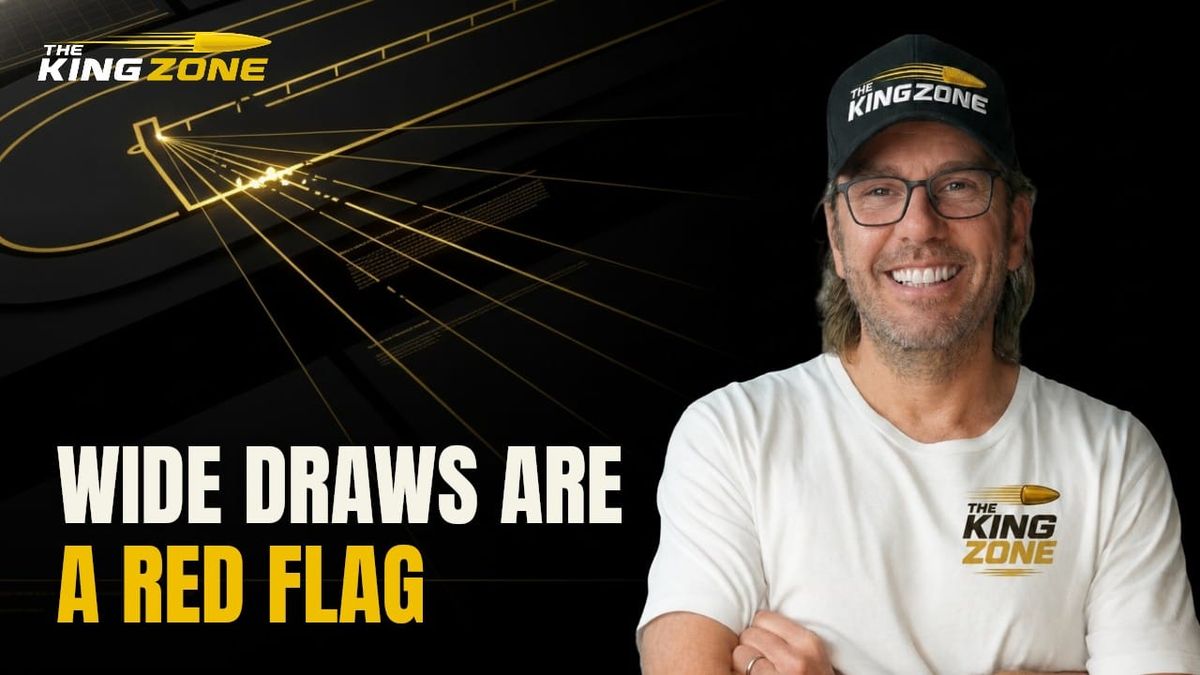
A wide barrier can undo a horse's best strength, because a high cruising metric only matters if it can actually cross to the fence.
Recorded October 2025 for The $11 winner hidden in plain sight.... Any figures mentioned are from that time.
A lot of punters look at a horse's cruising metric, see a big number, and tick the box. I understand why. A horse that can sit in front without using petrol is very hard to beat late, because it still has something left when the others are flat. But that number assumes the horse gets to do what it does best. Draw it wide with no clear path to the fence and the whole thing can fall over. The strength is still there on paper. The horse just never gets to use it.
A cruising metric only pays off in the right spot
When a horse leads easy, it is not spending anything to hold its position. It rolls along, the rider is still, and the horse is travelling inside itself. That is why it wins the last 50 metres. The others have been working to stay in touch and they have nothing left to give. The horse has not had to dig into its tank at any stage.
Now take the same horse and put it out wide. To get the same run, it has to cross. Crossing is work. It has to begin quickly, hold its speed, and get across other runners that are not keen to let it in. By the time it settles, it has already used the thing that makes it good. You get the same horse, same ability, but the race it runs is a different race. It arrives in the straight without the petrol it normally has, and the last 50 metres goes the other way.
The jockey and the tempo decide it
This is why I do not treat every wide draw the same. A wide gate is not automatically a negative. What matters is whether there is a clear path to the fence and whether the horse is likely to get it.
Some riders will take the risk and go forward. Some will not, and they will take a sit three deep, or go back and give the horse a lot to do. The tempo matters just as much. If I expect plenty of early speed, the horse out wide has to go harder again to cross, or it has to concede and take a spot without cover. If the tempo looks soft, crossing is cheaper and the whole thing becomes easier.
So it is a question I work through rather than a rule. Where is this horse drawn, what does it need to do, who is on it, and how fast is the race likely to be run. If I cannot see a clear path to the fence, I flag it as a red flag.
What this changes in the form
It changes how much weight I put on the metric. A horse that cruises well in front is not the same horse when the draw makes it earn that spot. I am not throwing the horse out. I am asking whether the conditions let it run its race.
When you look at a wide draw, do not stop at the number. Work out how the horse gets to the fence, who is steering, and what the speed map looks like. If there is no path, the strength you are backing might never appear.
Every race on the card, rated, with Kingsley's selections and the speed maps behind them. Your first day is free, no card needed.
More from Kingsley
- How Barriers Change a Horse's Whole Race Pattern
- How to Spot a Track Bias Forming Early in the Day
- How to Find a Bet in a Thousand Metre Sprint
From the full video: The $11 winner hidden in plain sight...
Gamble responsibly. 18+. If gambling is a problem for you, call Gambling Help on 1800 858 858 or visit gamblinghelponline.org.au